The Crater on Tower Hill
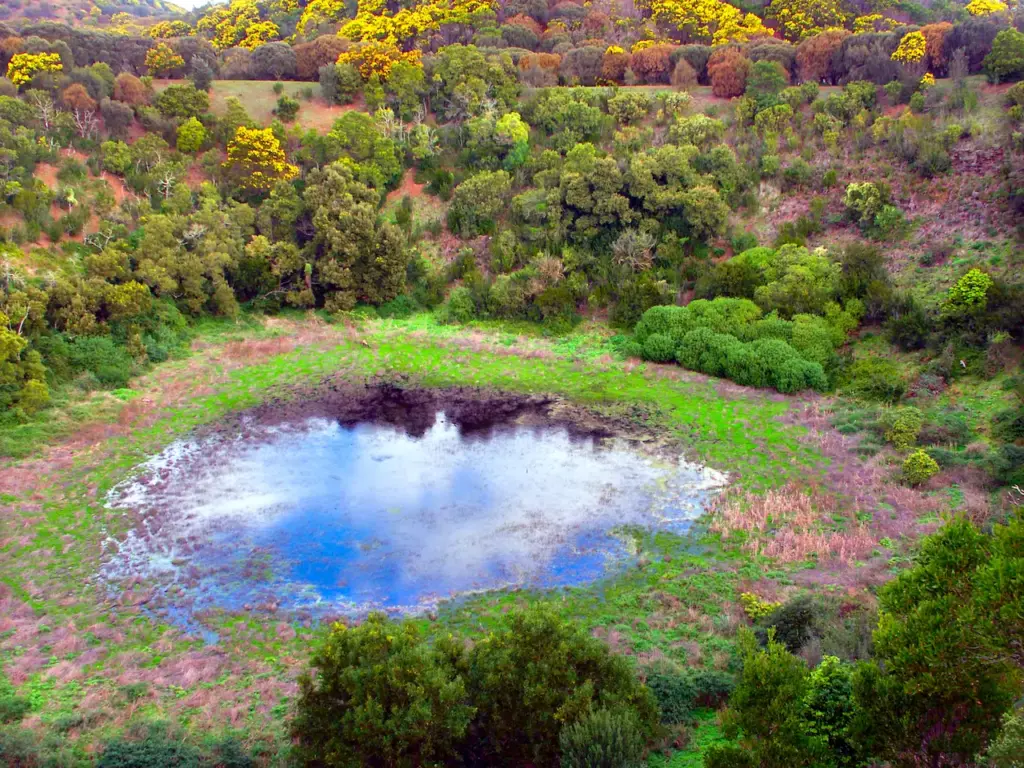
Tower Hill is a large volcanic crater surrounded by bizarre beds of volcanic ash. Around the crater are conical hills that rise from the boggy soil. When it is particularly wet, these hills can form islands in a shallow swampy lake. The magic is inside the crater. Conical hills form a wildlife reserve that is popular with native birds and other creatures. You can see koalas and kangaroos here, as well as emus, waterbirds, and other fascinating animals.What is Tower Hill famous for?
Tower Hill Wildlife Reserve, located in the surrounding flat plains, is known for its natural beauty, especially Tower Hill, which is a maar volcano that has nested. From the 11-km-long rim, you can enjoy spectacular views of the cone-shaped mountains that protrude from the lake. The crater is accessible by road, and there are many hiking trails inside. This amazing landscape includes crater walls created from layers of ash, as well as a wetland that is perfect for spotting local birds. Koalas, kangaroos, wallabies, and emus can be seen in the parking area. After the early settlers cleared much of the bushland, a revegetation programme was implemented to restore it. The Gunditjmara People, who have been living in the area since thousands of years ago, are featured in the Tower Hill Visitor Centre run by Worn Gundidj Aboriginal Cooperative. The centre is open every day from 10 am until 4 pm (except Christmas Day) and has more displays that explain the area's geography, fauna, flora, and culture. It also includes Indigenous arts and crafts.What is Tower Hill?
Tower Hill is located off the Princess Highway, between Warrnambool & Port Fairy. It's approximately 275 km west of Melbourne. It is located in the heart of Great Ocean Road, just an hour north-west from the 12 Apostles, and halfway between Port Fairy, Warrnambool and Port Fairy, which are both only a few minutes away. There are signs at the parking lot that direct you to the different hikes and beautiful lookout points.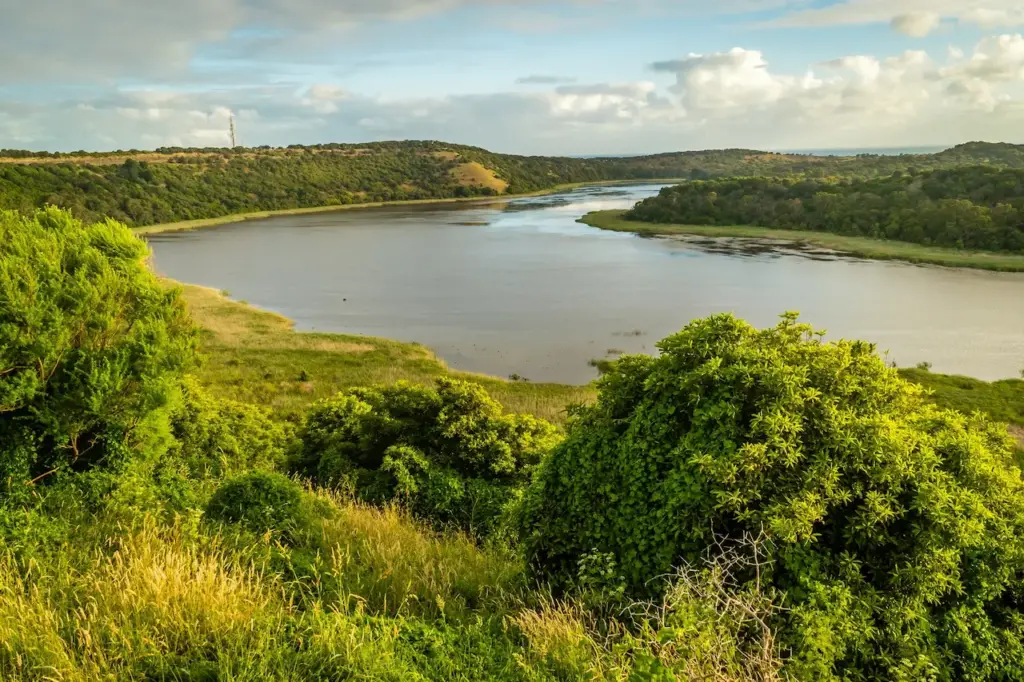
Origins of Tower Hill & Post-European Settlement
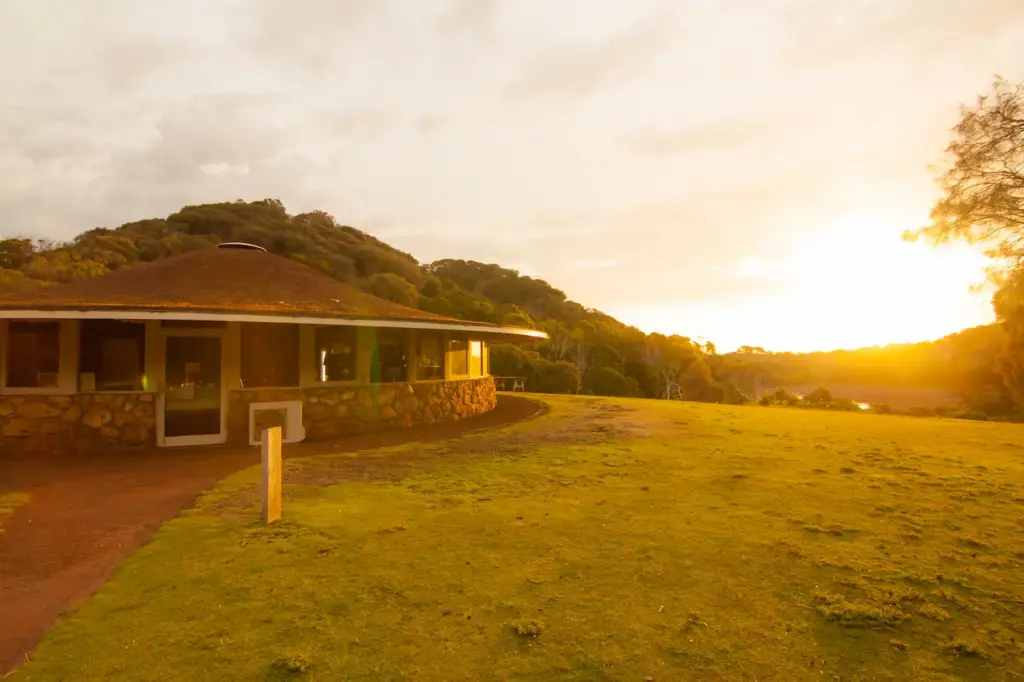
The visitor centre is located in the middle of the reserve and offers a modern setting amongst an ancient landscape. The visitor centre was designed by Robin Boyd and is operated by Worn Gundidj Aboriginal Cooperative. It houses an array of aboriginal art and crafts that you can purchase as a gift. Tower Hill's history is fascinating. Tower Hill's history is fascinating. There was still a lot to do to restore the park to its original state. The vegetation in the area was cleared by the Europeans to allow for farming and quarries. The park underwent a major replanting program in 1961. It was based on a painting by Eugene Von Guerard from 1855 depicting the park's layout before it had been cleared. The park was revitalized and native animals and plants such as wallabies, possums, and kangaroos returned. Today, Victoria's First National Park is a vibrant environment that is protected by both the traditional landowners and local government. It's the ideal place to learn about Indigenous history and enjoy the Australian bush.How did Tower Hill form?
Tower Hill was formed in several stages around 30,000 ago by a violent eruption. The initial eruption created the outer rim, while the smaller hills - scoria cones and balls - were formed during subsequent eruptions. For many thousands of years, the area has been inhabited primarily by Indigenous peoples of the Gunditjmara Nation. The area was cleared by the first white settlers for mining, logging and cultivation. In the 1960s, when Tower Hill's significance was finally recognized, reforestation started. Scientists, botanists and conservationists began the restoration of the land based on an 1800s painting by Eugene Von Guerard that showed the original vegetation surrounding the crater. Von Mueller's Lookout, one of the many viewpoints that are easily accessible by road, has a copy of this painting. Tower Hill's unique landscape is still evolving today as the weather, wind, and water continue eroding the crater wall and returning bushland.Discover more about the Aboriginal culture of Tower Hill
Tower Hill's Indigenous History dates back to 65,000 years. Evidence shows that the most recent eruptions were witnessed by several groups from the Indigenous Gunditjmara Nation. The community was thought to have a population in the thousands. They built permanent settlements and villages near the lakes and creeks. A guided walk will help you to understand the traditional Aboriginal culture and learn more about the Indigenous People who still reside in the area. The Wearn Gundidj guide will also teach you to throw a Boomerang during the interactive two-hour tour.